

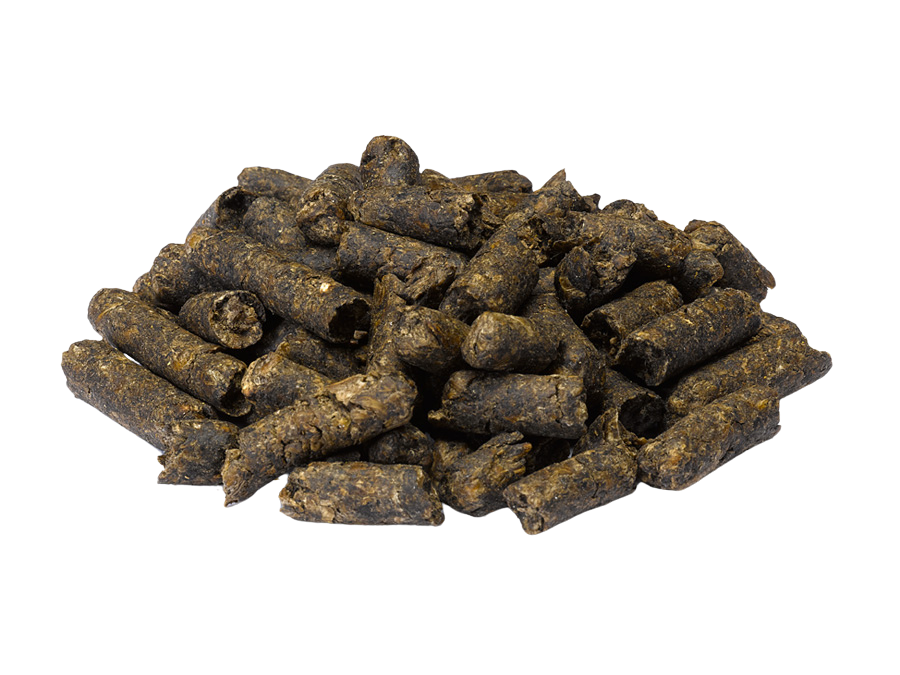
A high digestible fibre energy and palatable pelleted feed, available in bags only.
Recommended daily feed rates (per head basis)
Supabeet can be fed as part of a TMR or as a concentrate feed.
• Milking Cows: Up to 6 (typically 3)kg
• Dry Cows: Up to 2 kg
• Replacement Heifers: Up to 2 kg and up to 40% of the DMI
• Calves (to 12 weeks): Up to 1.5 kg and up to 40% of the DMI
• Growing Cattle: Up to 2.5 kg and up to 40% of the DMI
• Finishing Cattle: Up to 5kg and up to 50% of the DMI
• Suckler Cows: Up to 4 (typically 2)kg
• Ewes and Rams: Up to 1(typically 0.5) kg
• Hoggets and Lambs: Up to 1 kg or up to 50% of the DMI
DMI = dry matter intake
Equine Recommended daily feed rates (per head basis)
| Workload | Pony (350kg) | Hack (500 kg) | Hunter (600kg) |
| Resting | 1.0 | 1.5 | 1.7 |
| Light work (occasional hacking) |
1.3 | 1.9 | 2.3 |
| Moderate work (short schooling/daily hacking) |
1.5 | 2.2 | 2.6 |
| Training (preparation for competition) |
1.8 | 2.6 | 3.1 |
| Hard work (competing/full fitness) |
2.3 | 3.3 | 4.0 |
Feeding rates are produced as a guide only and should be adjusted to take account of other feeds in your horse or ponies’ diet as well as their condition and workload. A minimum of 50%, by weight, of your horse’s daily requirement should be forage (grass/hay/silage/chaff) to maintain gut health and function.
Soaking of Supabeet
• Supabeet requires soaking for a minimum of 24 hours, after which it can be combined with other horse feeds.
• Any horse that has been fed unsoaked sugar beet should be seen by a veterinarian immediately.
• Add 1 litre of water to every 200g of Supabeet (5: 1)and drain off any excess water before feeding.
• Soaked sugar beet should be used up in a couple of days. In hot weather, soaked sugar beet may start to ferment changing its palatability and
nutritional value. Only soak enough pellets to last one day in summer months.
• Use each batch of soaked sugar beet completely before preparing the next batch. Do not keep on ‘topping up’ the sugar beet left to soak.
• Supabeet is available all year round, UK wide in bags only.
• Like all dry feeds, they should be stored in a secure shed, bunker, bin or hopper and kept cool, dry and free from vermin.
Supabeet is a co-product from sugar production. Once the sugar has been diffused out from the beet, the fibrous residues are dried and combined with molasses. They are then pelleted and then finely coated with palm oil to produce the final product.
Supabeet is FEMAS assured (or a recognised equivalent). Supabeet (Dried (sugar) beet feed, molassed) is listed under number 4.1.11 in the EU Catalogue of Feed Materials.
TRIDENT FEEDS
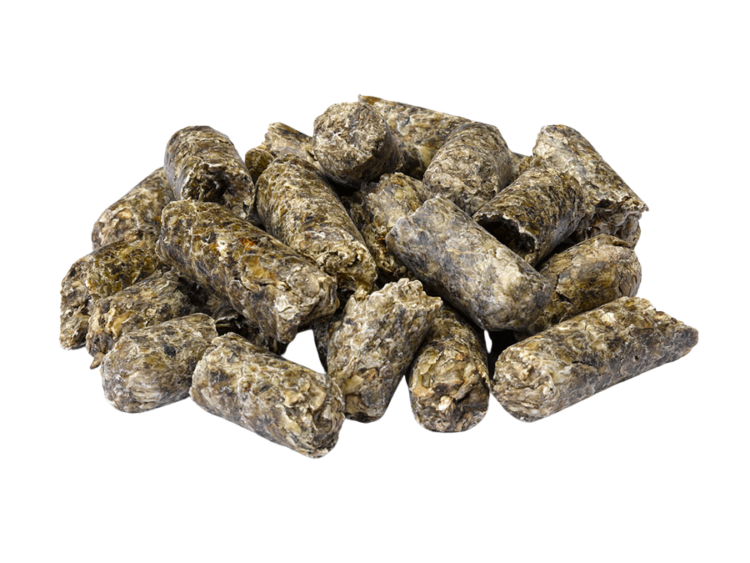
High digestible fibre based palatable energy feed.
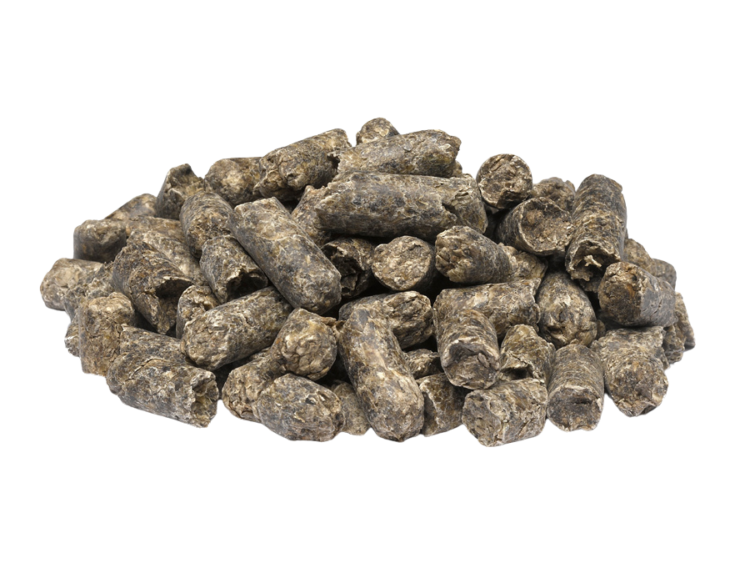
A palatable high digestible fibre and sugar energy, pelleted feed.
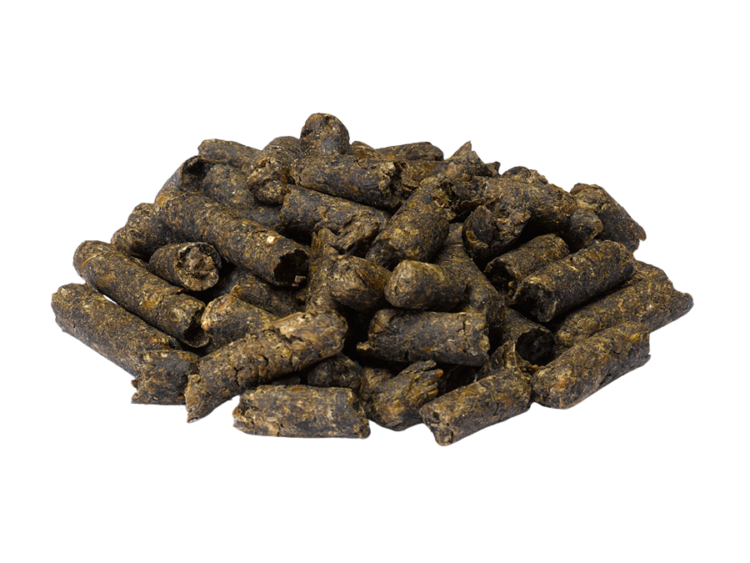
A high digestible fibre energy and palatable pelleted feed, designed to be...
A high digestible fibre energy and palatable pelleted feed, designed to be...